

Lent is about Jesus FOR YOU
The season of Lent helps prepare our hearts and minds for the death and resurrection of Jesus

What is Ash Wednesday all about?
You may see something strange happening in church on Ash Wednesday. You’ll see your family and friends go forward to receive the sign of the cross on their foreheads. The strange part about all of this is that it will be done with the ashes from last year’s Palm Sunday branches.
Why do we do this?
Usually, when someone gets dirty, they know they need water to get clean. The ashes that are put on our foreheads remind us that in sin we are dirty and need to be cleaned. It also helps uto remember the first time the sign of the cross was made on us at our Baptism. In the waters of Baptism, we are cleaned and the dirt of sin is washed away.
Ash Wednesday helps to remind us of this.
What is “Lent?”
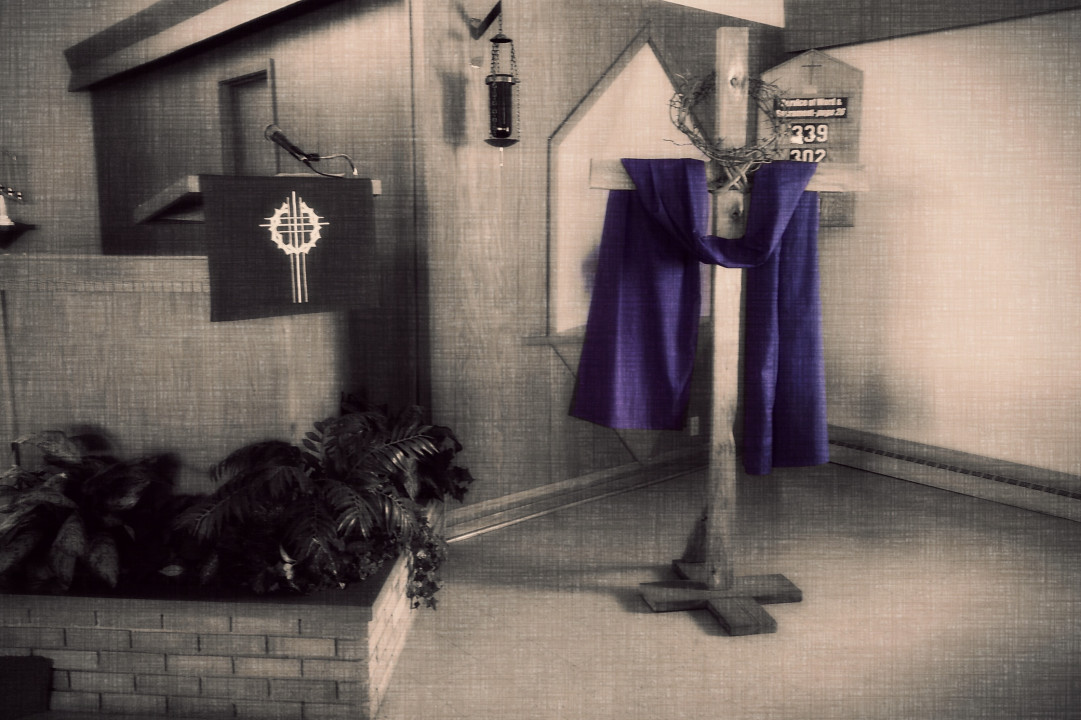
Lent is a season of the Church Year that lasts six weeks. Lent begins on Ash Wednesday and ends the day before Easter Sunday. During these six weeks, we look forward to Good Friday, the day our Lord died on the cross to pay for our sins, and to Easter Sunday, the day He rose from the dead to prove it!
How can I remember to think about Jesus during Lent?
You can give up something you enjoy during Lent. Every time you think about doing what you gave up for Lent, it will remind you of what Jesus gave up for you - His life!
Why do we celebrate Lent for 40 days?
Don’t forget what Lent is all about! It is a time when we are reminded of what Jesus gave up for us, and a time when we look forward to and prepare for His death and resurrection.
During these 40 days of Lent, we remember God’s faithfulness to His people and how His faithfulness is complete in Jesus, our Savior. Jesus remains faithful to us, always being where He promises to be: in His Word and Sacraments.
We celebrate Lent for six weeks, or 40 days, as we remember Christ’s temptation in the wilderness in the Gospel of Matthew. There Jesus was without food for 40 days.
We remember the temptation of the Israelites in the desert after the Lord had delivered them from Egypt. This lasted 40 years.
Finally, we can remember the story of Noah and his family. After 40 days and 40 nights of rain, the Lord delivered them as He promised.
What happened to the “a” word?
There’s one word we often use in the Church that isn’t used during Lent. Usually, we use it after responsories, antiphons, and other parts of our worship. Have you guessed what the word is yet?
If you guessed “alleluia,” then you are right!
We stop singing and saying “alleluia” during Lent and won’t speak it again until Easter morning.What does “alleluia” mean and why don’t we say it during Lent?
“Alleluia” is a Hebrew word that means “Praise the Lord.” Since we focus on the suffering and death of Jesus during Lent, we stop using this joyful word until we celebrate Jesus’ glorious resurrection. On Easter morning, the first words you hear will be: “The Lord is risen!”
To which the congregation responds, “He is risen indeed! Alleluia!”